The second day of the CAS course "Working Environment Nuclear Energy" provided a comprehensive insight into uranium mining, the construction of a reactor, and the enormous amount of energy that a nuclear power plant can generate.
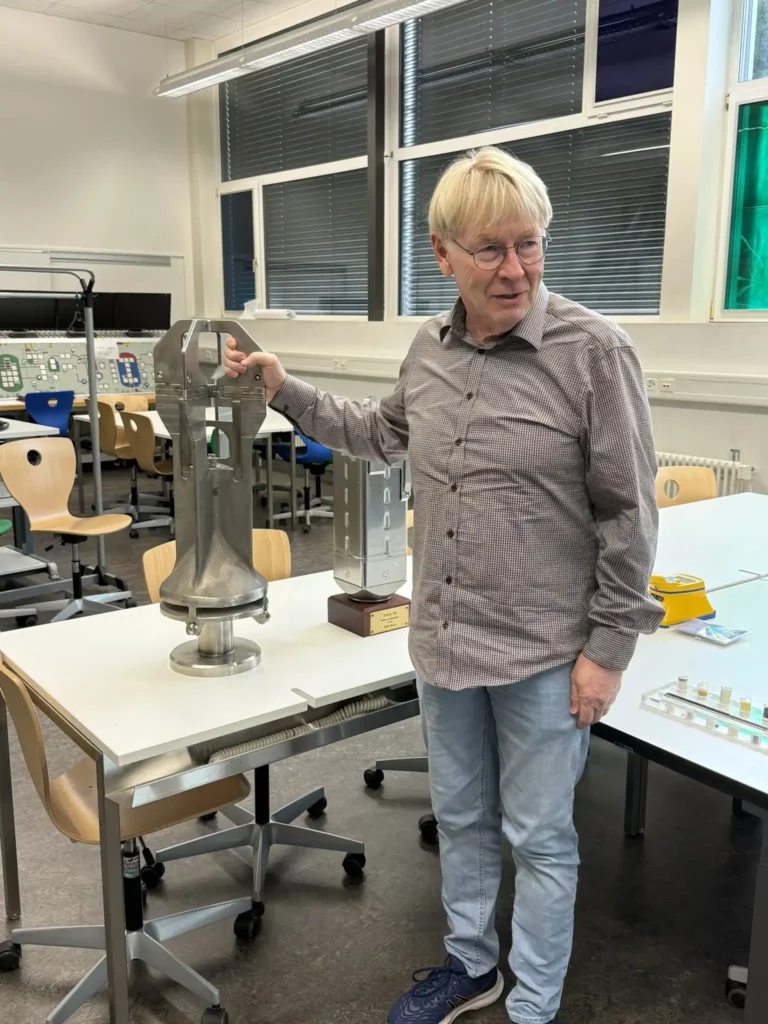
Hansjörg Künzli, head of the Nuclear Technician School (NTS), gave an impressive demonstration of how a reactor is constructed and clearly explained how much energy can be generated from it.
🔎 Where is uranium found and how is it mined?
Uranium is found worldwide—in soil, seawater, and even in our drinking water. Major mining areas are located in Canada, Australia, Kazakhstan, the USA, Russia, and Niger. Uranium is mined both in open-pit and underground mines.
⚛️ How is uranium processed for use in a nuclear power plant?
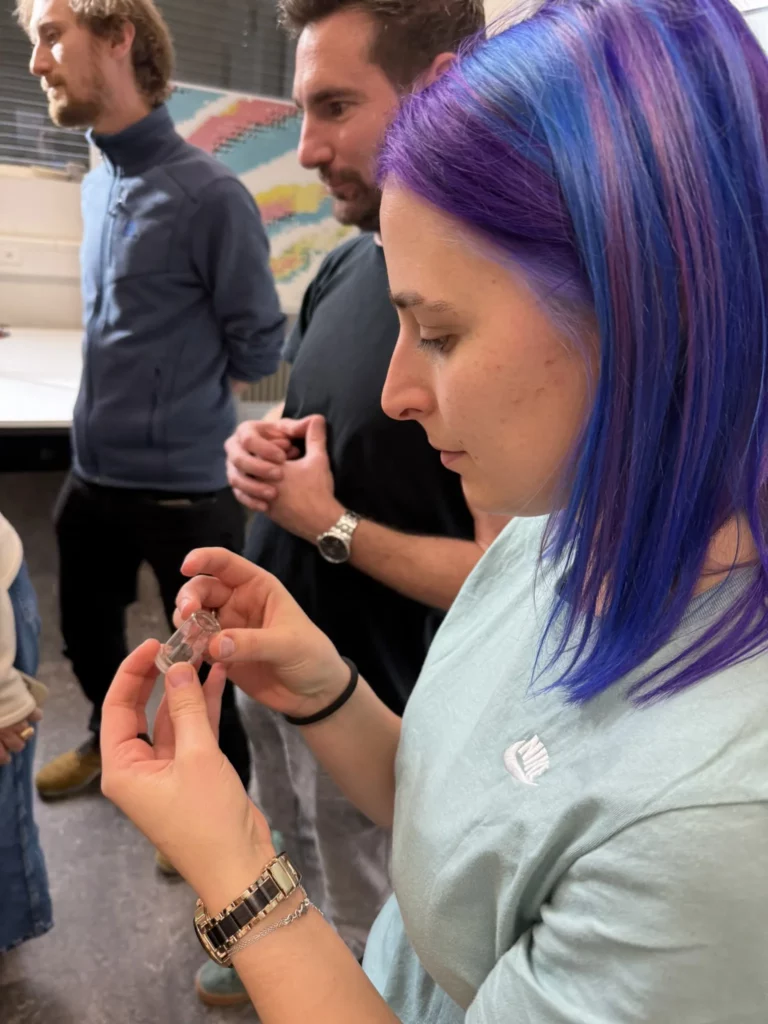
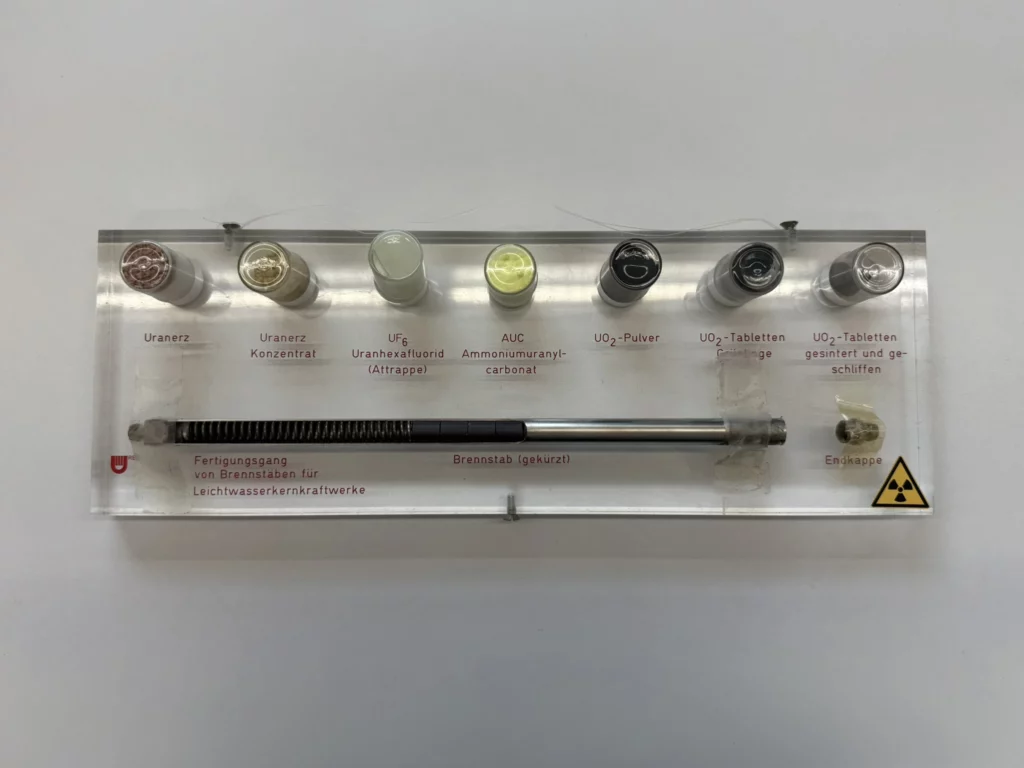
For use in nuclear power plants, uranium is enriched and pressed into small pellets. These pellets are only slightly radioactive and harmless—you can pick them up without hesitation.
Several pellets are strung together to form a fuel rod: around 4 meters long and approximately 1 cm thick. Several fuel rods together form a fuel assembly. Water circulates between them in a closed circuit.
⛓️ How does a chain reaction work?
When a fuel element in the reactor is bombarded with neutrons, a chain reaction begins: nuclear fission releases heat, and at the same time, more neutrons are emitted, which in turn split further nuclei. This reaction is regulated by control rods. The further these are inserted between the fuel rods, the more they slow down the neutrons and interrupt the chain reaction. The boron concentration can also slow down the chain reaction, as boron binds neutrons and dampens the reaction.
It was particularly impressive that the students were able to marvel at uranium pellets, fuel rods, and control rods on site and even hold them in their hands.
⚡ How electricity is generated:
The heat generated by nuclear fission heats the water in the reactor core. The steam produced drives a turbine, which ultimately generates electricity.
⚛️ How much energy is there in uranium?
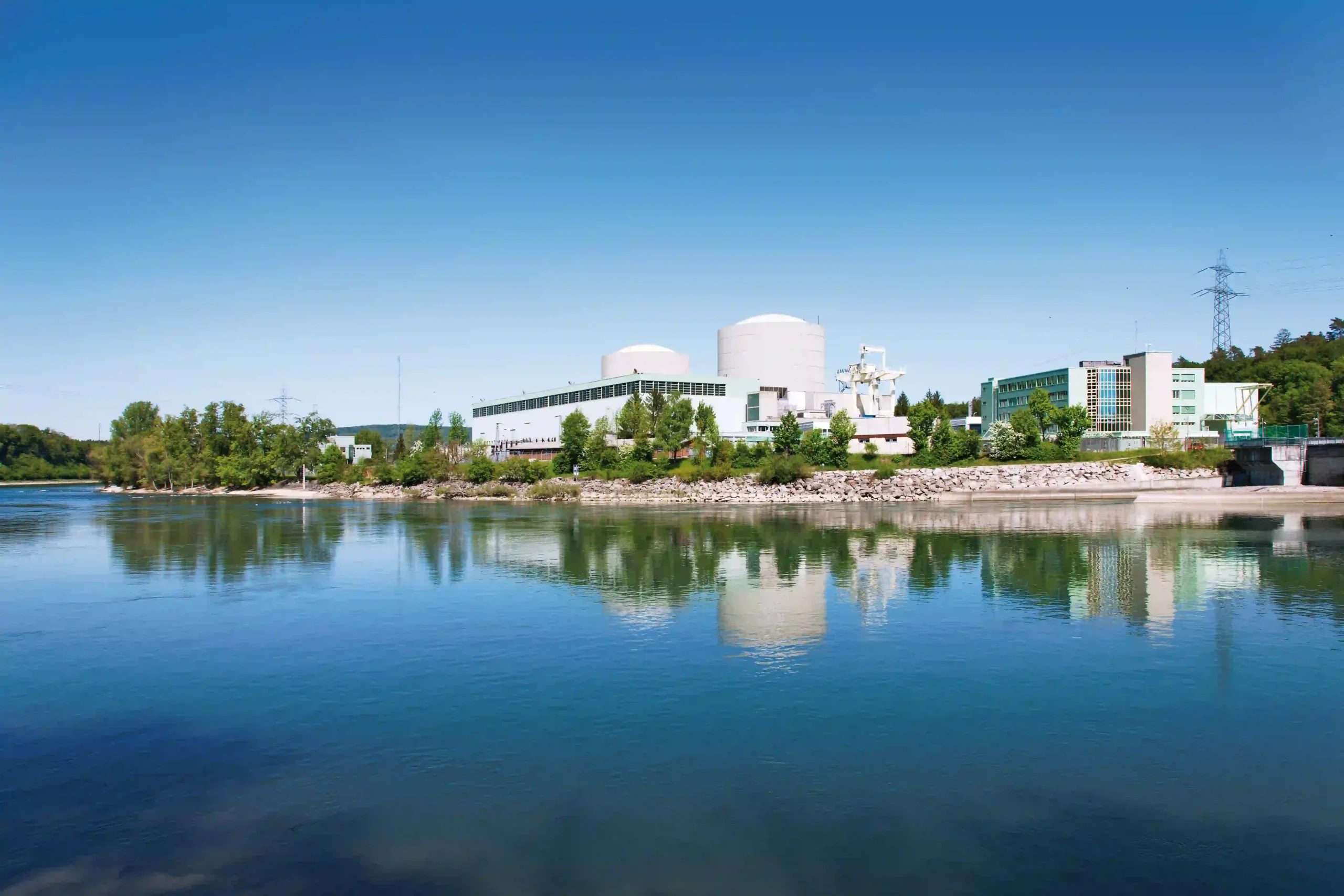
Uranium has an exceptionally high energy density: just three to four fuel pellets are enough to cover the annual electricity needs of a family of four. A nuclear power plant like the one in Leibstadt generates around 9,600 GWh of electricity per year – enough to supply around two million households for a whole year.
🔎 Further information about CAS:
CAS Working Environment Nuclear Energy