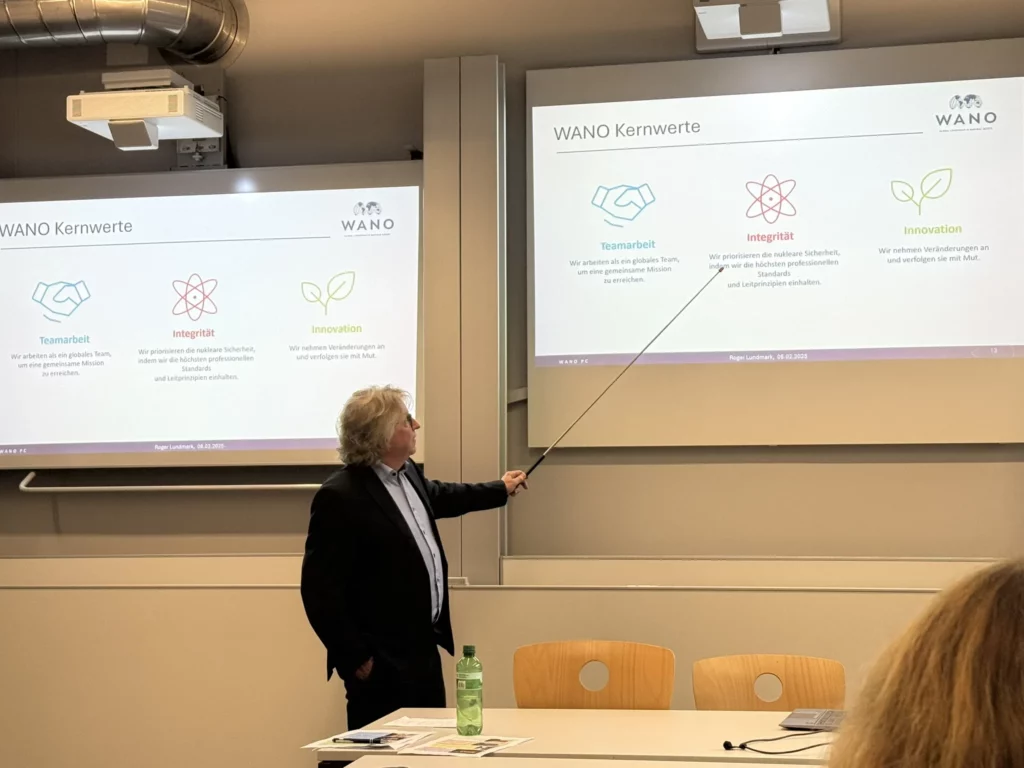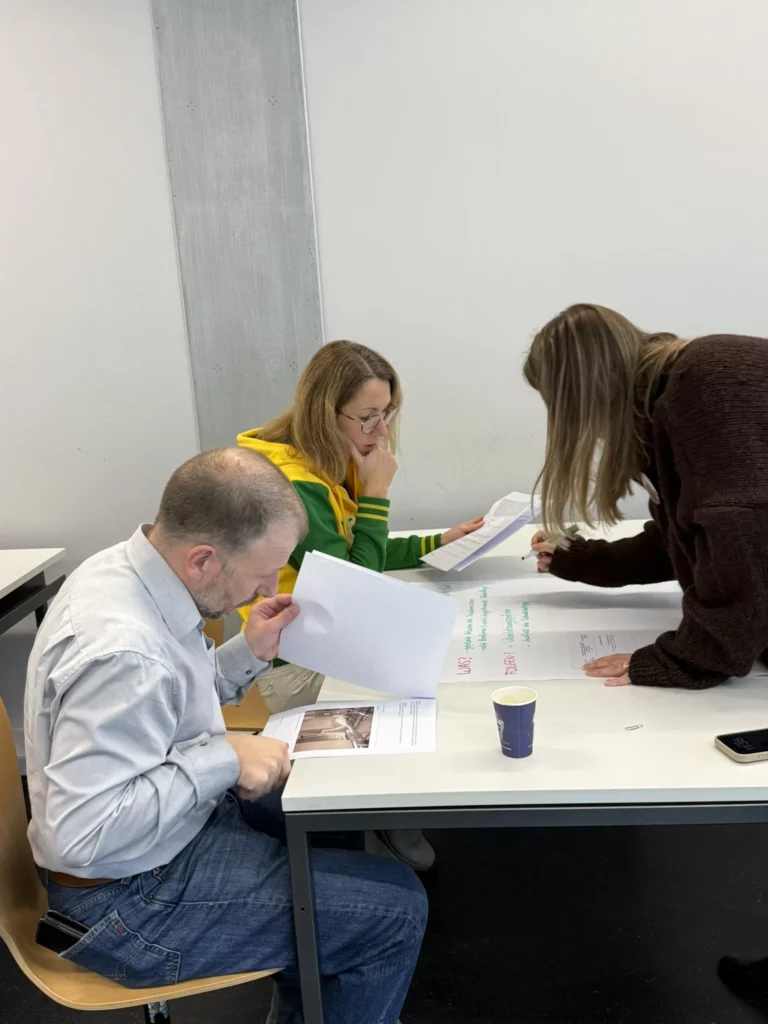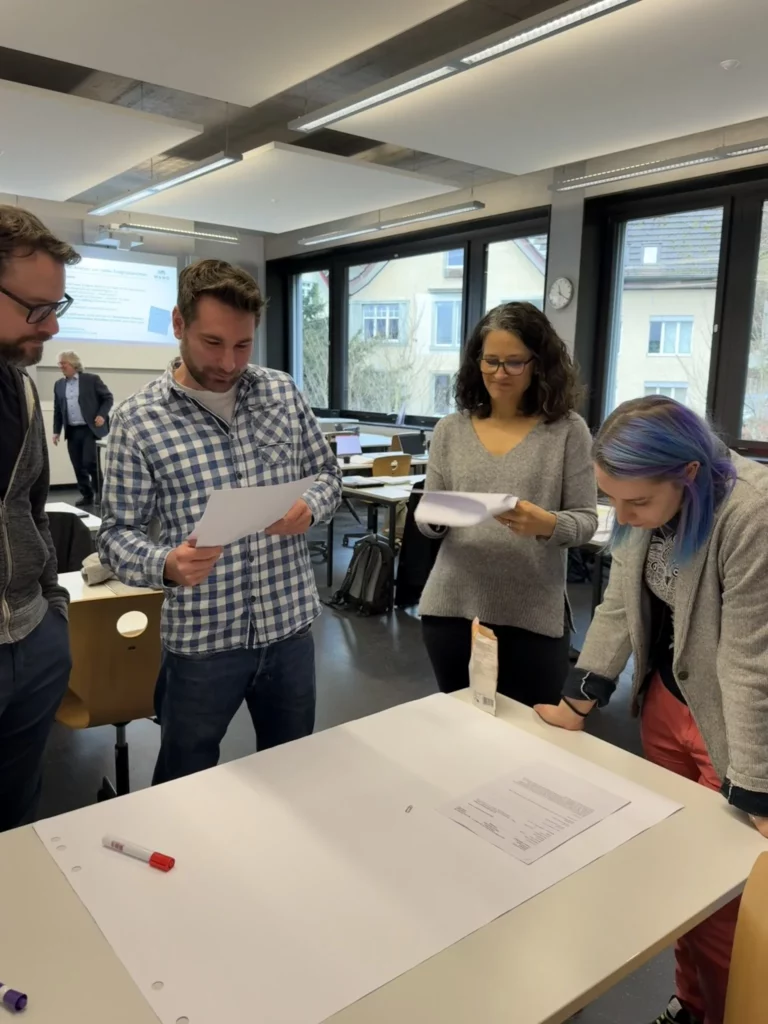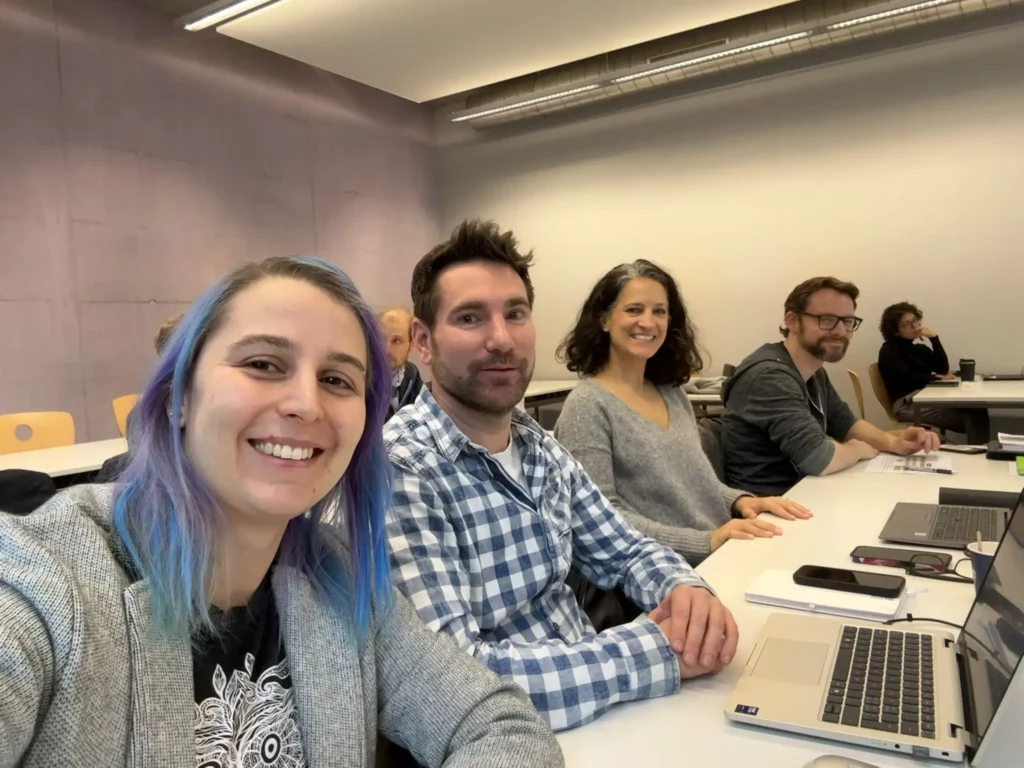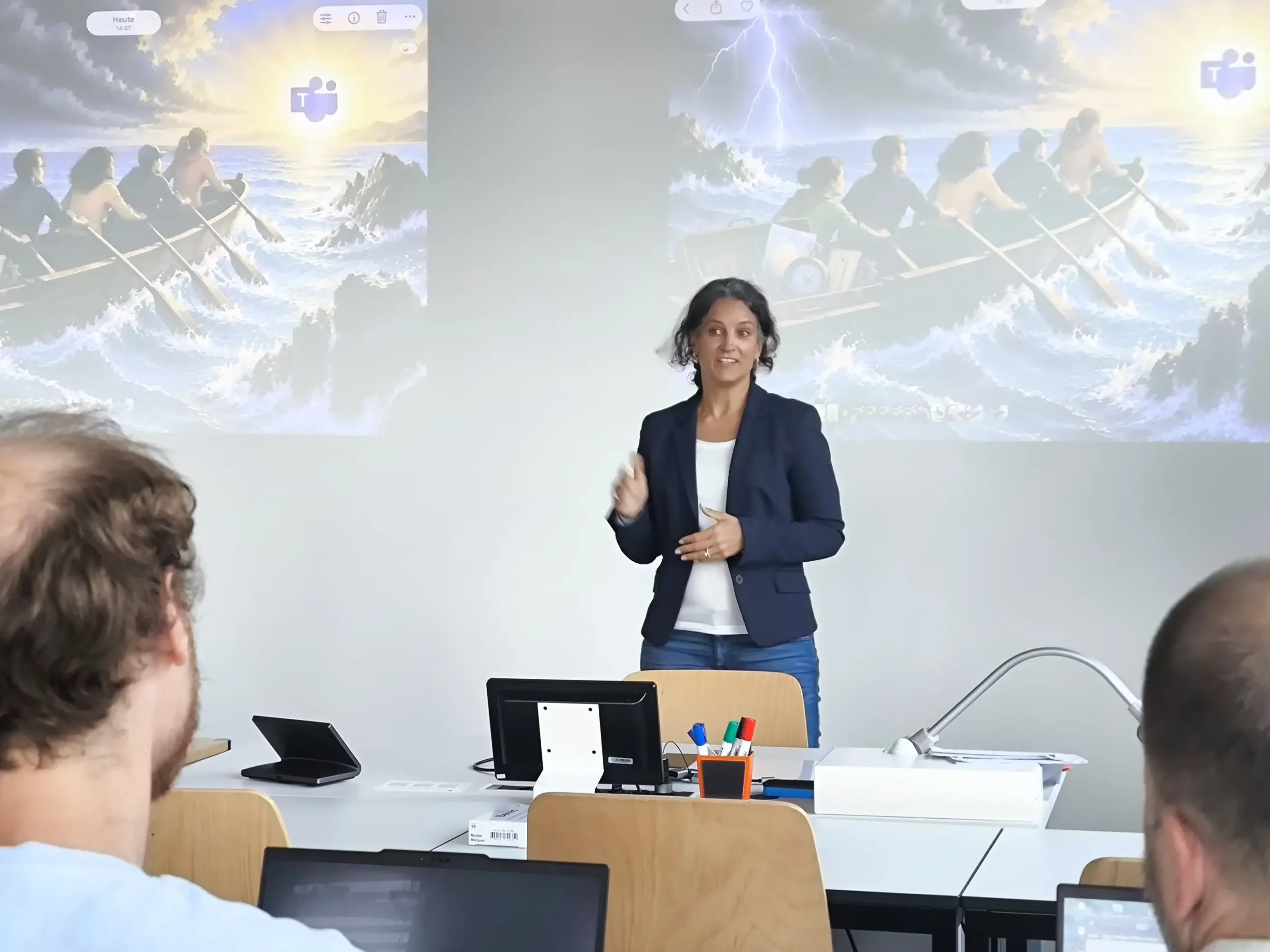
On February 6, 2026, the students completed the second module of the CAS program “Nuclear Energy Work Environment.” To kick things off, they received an overview of the national and international organizations and authorities that shape the regulatory framework for nuclear energy in Switzerland. This segment was presented by, among others, Roger Lundmark, the managing director of swissnuclear.
🔎 The focus was on the structure of Switzerland’s political system in the field of nuclear energy, as well as the relevant parliamentary instruments and areas of responsibility.
🏛️ The legal framework consists of the Nuclear Energy Act (KEG), the Nuclear Energy Liability Act (KHG), and the Radiation Protection Act (StSG). The corresponding ordinances regulate the technical details.
At the federal level, the Federal Department of the Environment, Transport, Energy and Communications (UVEK) (nuclear energy law and radioactive waste management) and the Federal Department of Home Affairs (EDI) (radiation protection) play central roles. Parliamentary committees—in particular the Committee on the Environment, Spatial Planning, and Energy (UREK)—also play a significant role.
👉 Stakeholder management is crucial in the Swiss political landscape: the broader and more influential the support, the greater the chances of success in implementing a proposal.🤝
Stakeholder management is also essential at the international level—especially in terms of exchanging experience and knowledge. 🪴The Community of Practice approach can significantly improve the safety and reliability of nuclear power plants in the long term. By learning from one another, we can avoid unnecessary mistakes and raise safety standards for everyone. 🔄️
The central platform for networking and knowledge exchange is the World Association of Nuclear Operators (WANO), to which all nuclear power plant operators worldwide belong. The exchange of lessons learned, peer reviews, and best practices is part of its core mission.
WANO’s work is based on three core values: teamwork🤝, integrity🛡️, and innovation💡. WANO’s goal is to maximize the safety and reliability of nuclear power plants worldwide—through collaboration, mutual evaluation, benchmarking, and continuous improvement.
⚖️ However, WANO’s recommendations are not legally binding. The implementation of safety-related measures is the responsibility of national regulatory authorities. In Switzerland, this task is carried out by the Swiss Federal Nuclear Safety Inspectorate (ENSI).
Open communication is essential. Safe operation can only be ensured through transparency, mutual support, and the sharing of experiences.🔐
Or, as Bill Lee, WANO’s first president, aptly put it: “If you solve a problem, others won’t gain from your experience unless you share it.”
🔎 Further information about CAS:
CAS Working Environment Nuclear Energy | BFH