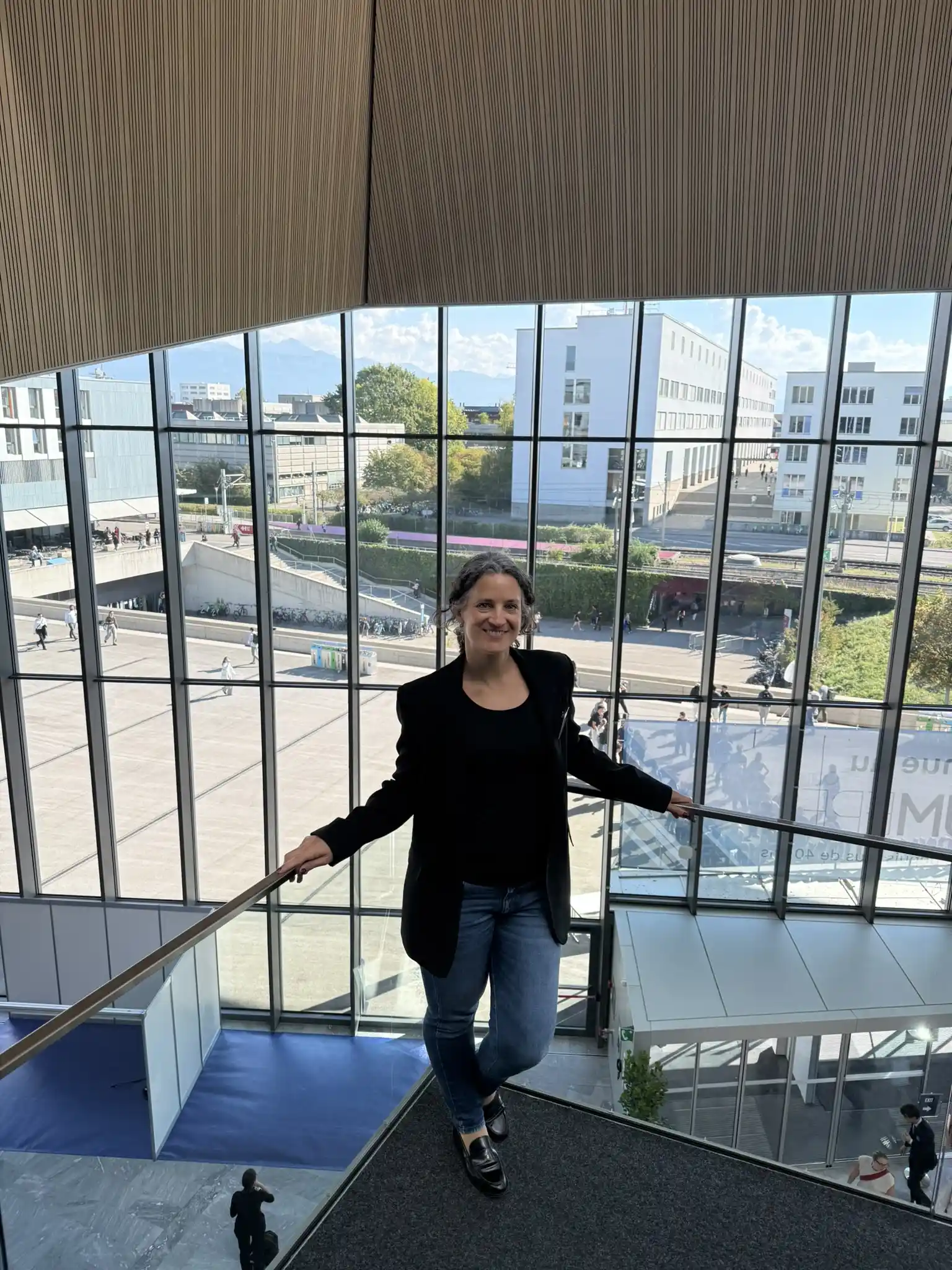
On January 22, 2026, the second part of the elective module "Change Management" took place as part of the CAS "Working Environment Nuclear Energy." Martine-Laure Wissmann (HRMove GmbH) gave a practical demonstration of the challenges, roles, and success factors that shape change processes.
🔧Change is inevitable. It arises from growth, innovation, leadership or generational change, among other things.
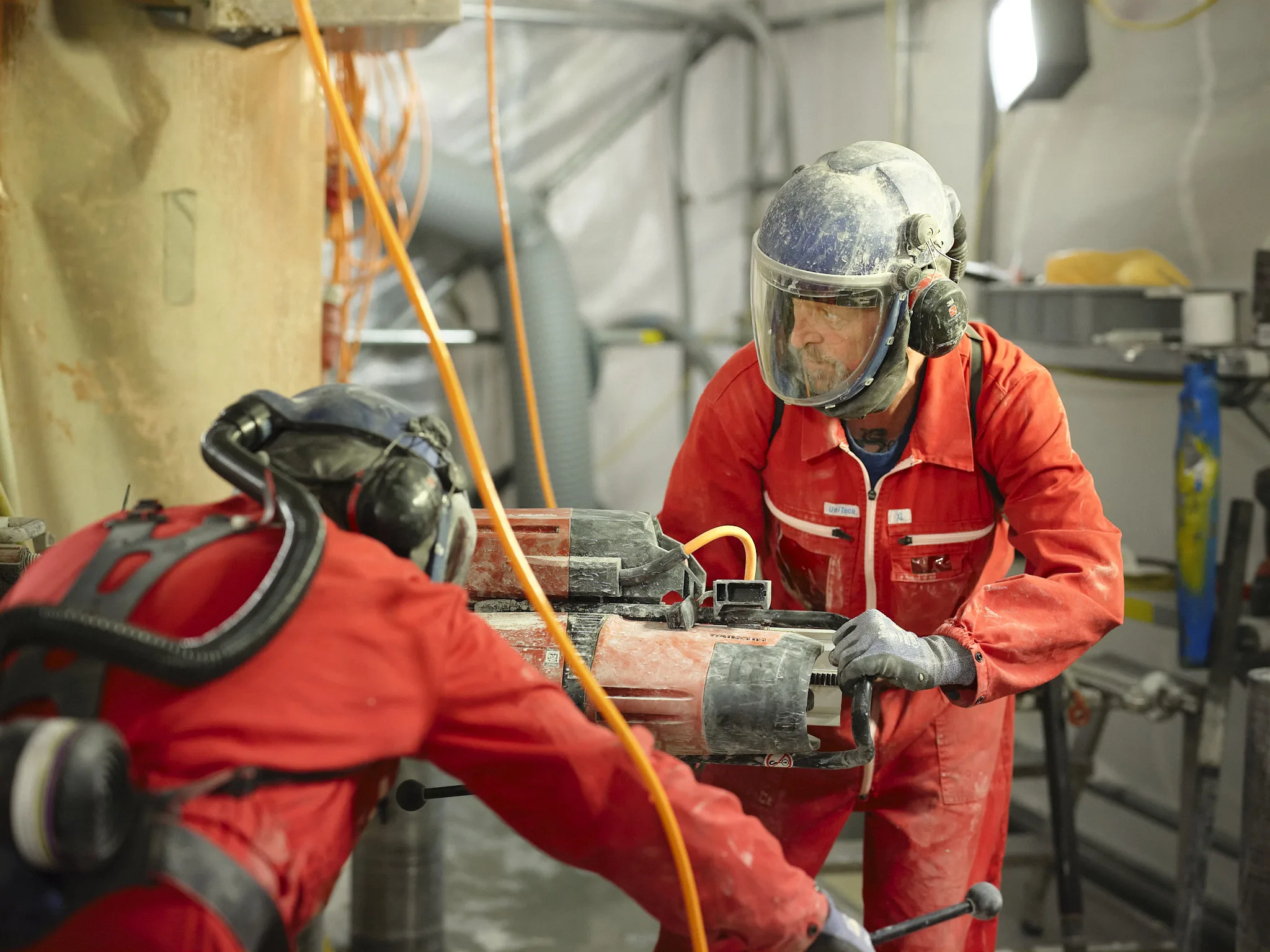
A particularly impressive practical example is the decommissioning of the Mühleberg nuclear power plant: the technical dismantling can be planned, but the organizational and human change is much less predictable.
❓The key challenge here is: How can critical know-how be secured until the end if experienced employees leave the company early?
💡Key insights:
– The end of a change process is often uncertain. Leadership must provide guidance while remaining flexible.
– Communication is the most important success factor in change management.
– Change is always a question of gain or loss for employees.
– Different target groups need different, relevant information. A clear communication concept is crucial here.
– When it comes to personnel changes, it is clear that good leadership is valued more highly by those affected in the long term than financial incentives.
– Even employees who are not directly affected observe very closely how fairly and transparently those affected are treated.
🪴Sustainable change can only succeed if the changes are anchored in the long term. This is achieved through repetition, dialogue, and continuous communication.
🏛️Successful change requires a healthy corporate culture, because: "Culture eats strategy for breakfast." (Peter Drucker)
🔍The decommissioning of the KKM makes it clear that change management is not a side issue, but crucial for securing know-how, trust, and long-term success.
🔎 Further information about CAS:
CAS Working Environment Nuclear Energy | BFH