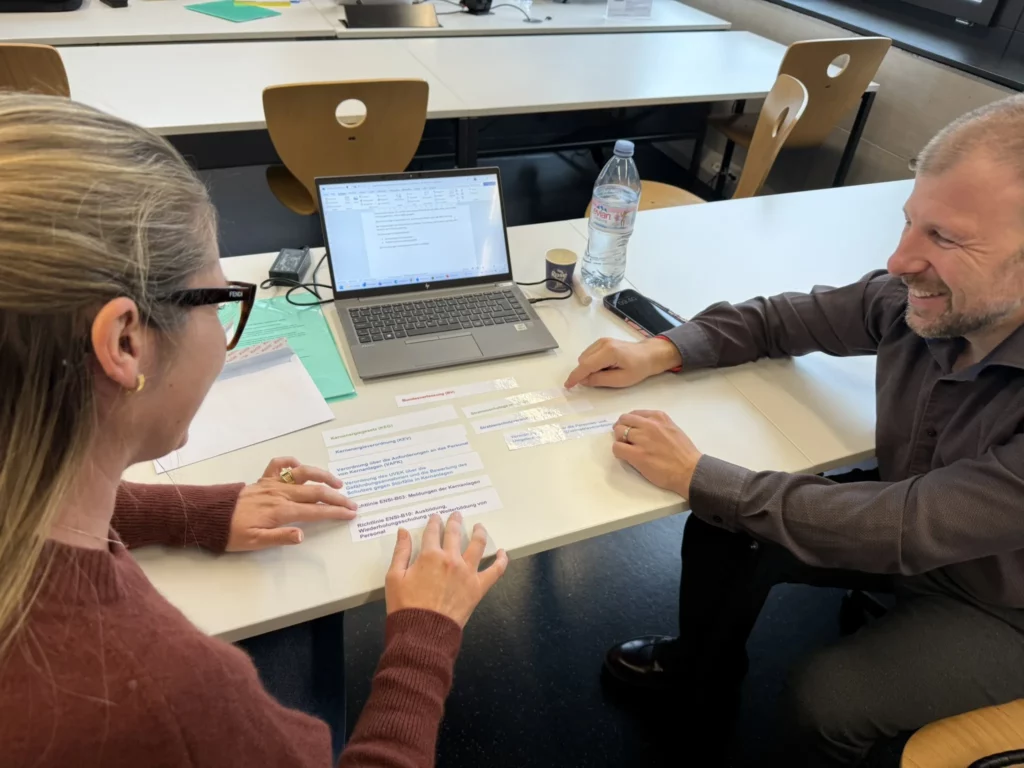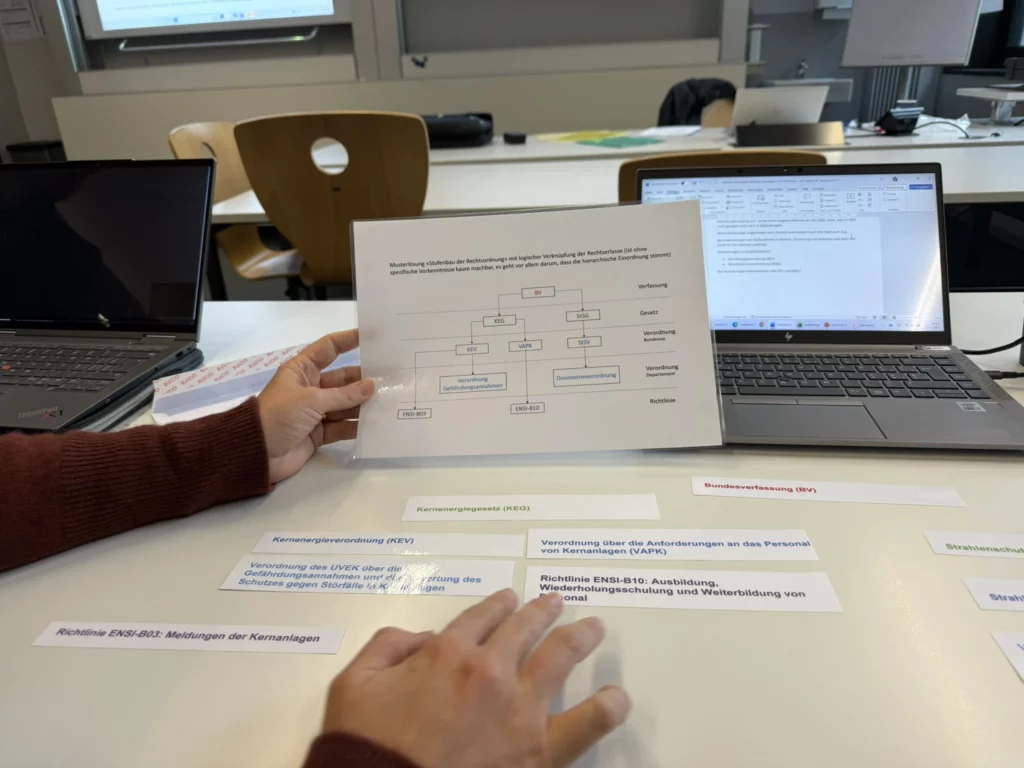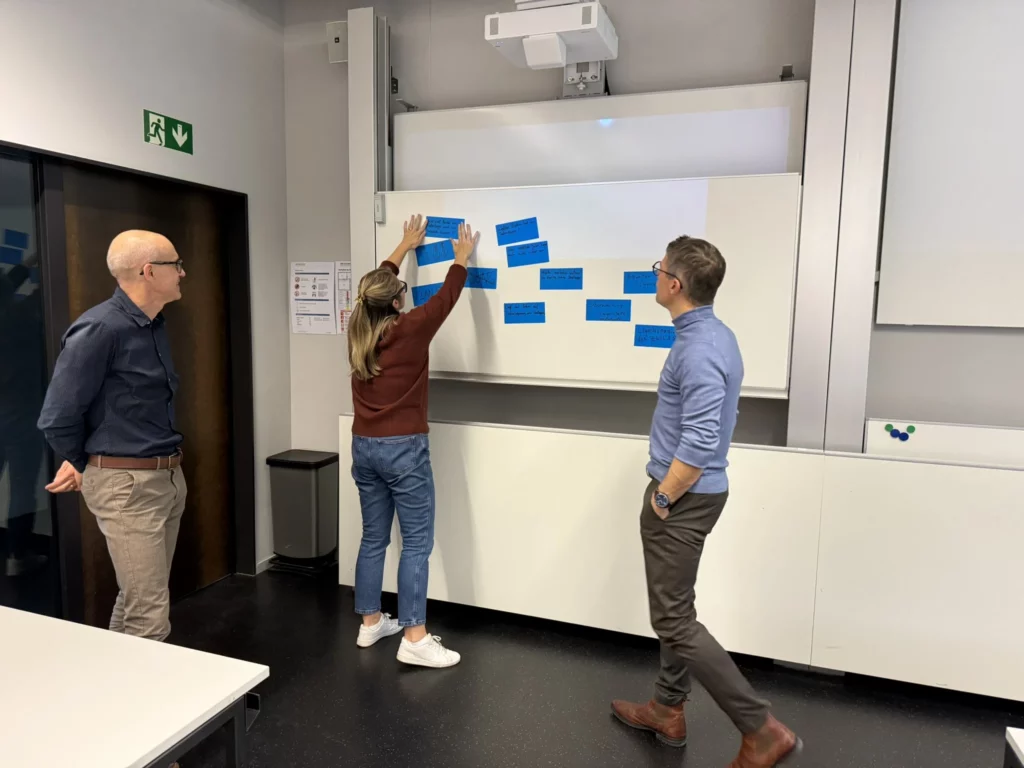
The third day of the CAS course "Working Environment Nuclear Energy" focused on legal principles, supervision, and radioactive waste disposal.
⚖️ Legal basis and supervision:
In the morning, Andreas Schefer from the Swiss Federal Nuclear Safety Inspectorate (ENSI) outlined the regulations that apply in Switzerland and how they have developed over recent decades, partly as a result of events such as Three Mile Island, Chernobyl, and 9/11. Swiss nuclear power plants are now subject to strict legal requirements, which are continuously monitored by the independent regulatory authority ENSI.
🔎 The IAEA standards and the "3S" principle (safety, security, safeguards) form the international framework for this.
🛢️ Temporary storage and disposal:
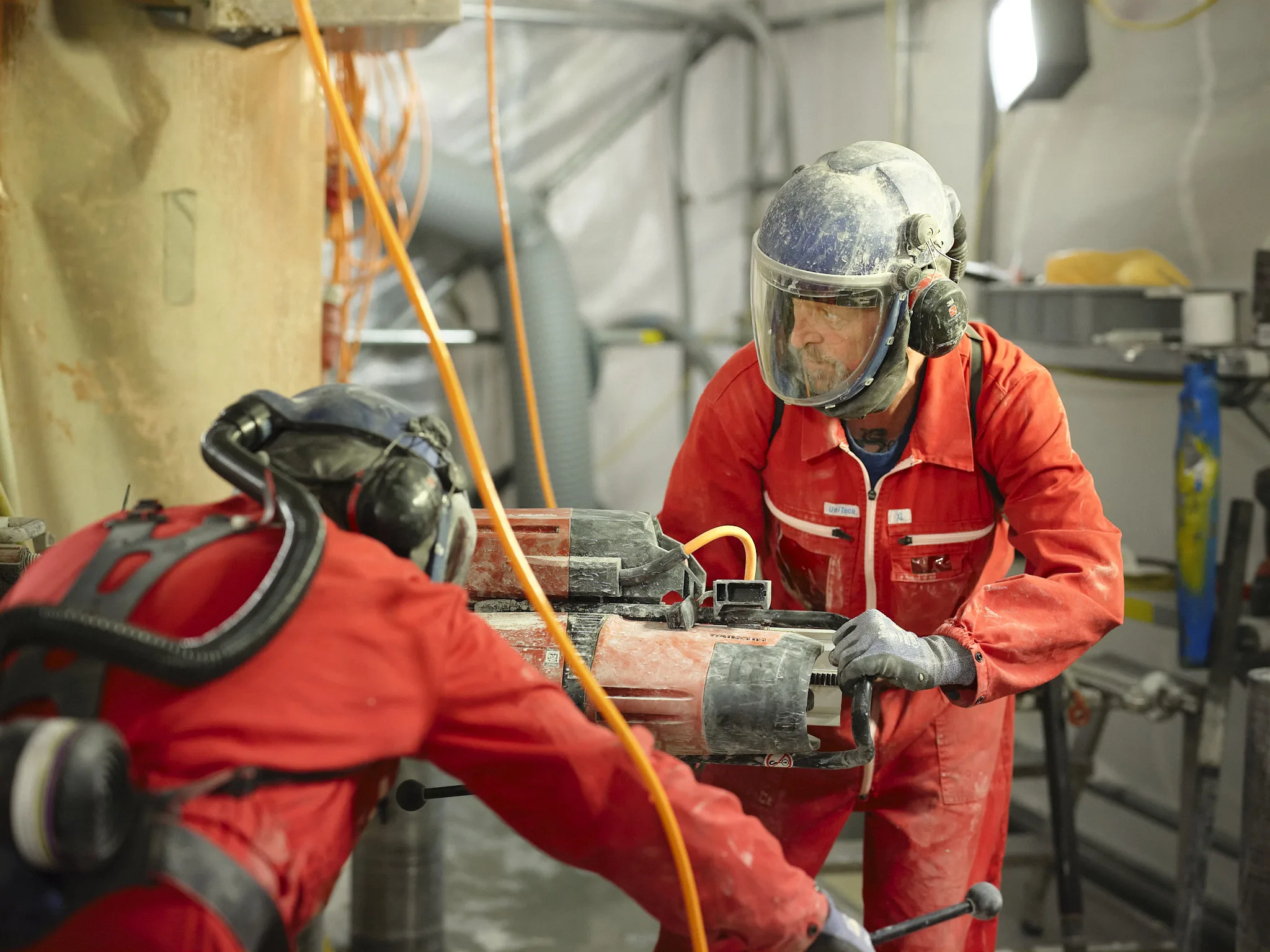
In the afternoon, Raphael Spuler (Zwilag) and Philipp Senn (Nagra) provided insights into the processing and interim storage of radioactive waste. At the central interim storage facility in Würenlingen, low- to intermediate-level waste (SMA), such as protective clothing, is melted in a plasma furnace at temperatures of up to 20,000 °C with the addition of glass and then cast into containers suitable for final disposal. While the very high temperatures do not reduce the radioactivity, they do significantly reduce the volume of the waste.
High-level radioactive waste (HAA), such as spent fuel elements, is stored in sealed containers—often referred to colloquially as “Castor containers.” After loading, these containers have surface temperatures of 60–70%. Only after a decay period of about 40 years—and after the waste has been repackaged into smaller, sealed steel containers—can it be transferred to the deep geological repository.
⚛️ From interim storage to deep geological repository:
According to Nagra’s site proposal, final disposal is to take place at the planned deep geological repository near Nördlich Lägern, where the suitable host rock—Opalinus Clay—lies several hundred meters underground.
💡 The Opalinus Clay forms a natural, robust barrier to ensure long-term protection for future generations.
💰The deep repository is financed through the Decommissioning and Waste Management Fund (STENFO).
It was an informative day of training that highlighted just how much expertise, responsibility, and sustainable thinking go into the safe disposal of radioactive waste. The peaceful use of nuclear energy in Switzerland is clearly defined by a comprehensive regulatory framework and forms the legal basis for the safe operation of nuclear facilities.
🔎 More information about the CAS:
CAS Nuclear Energy Working Environment