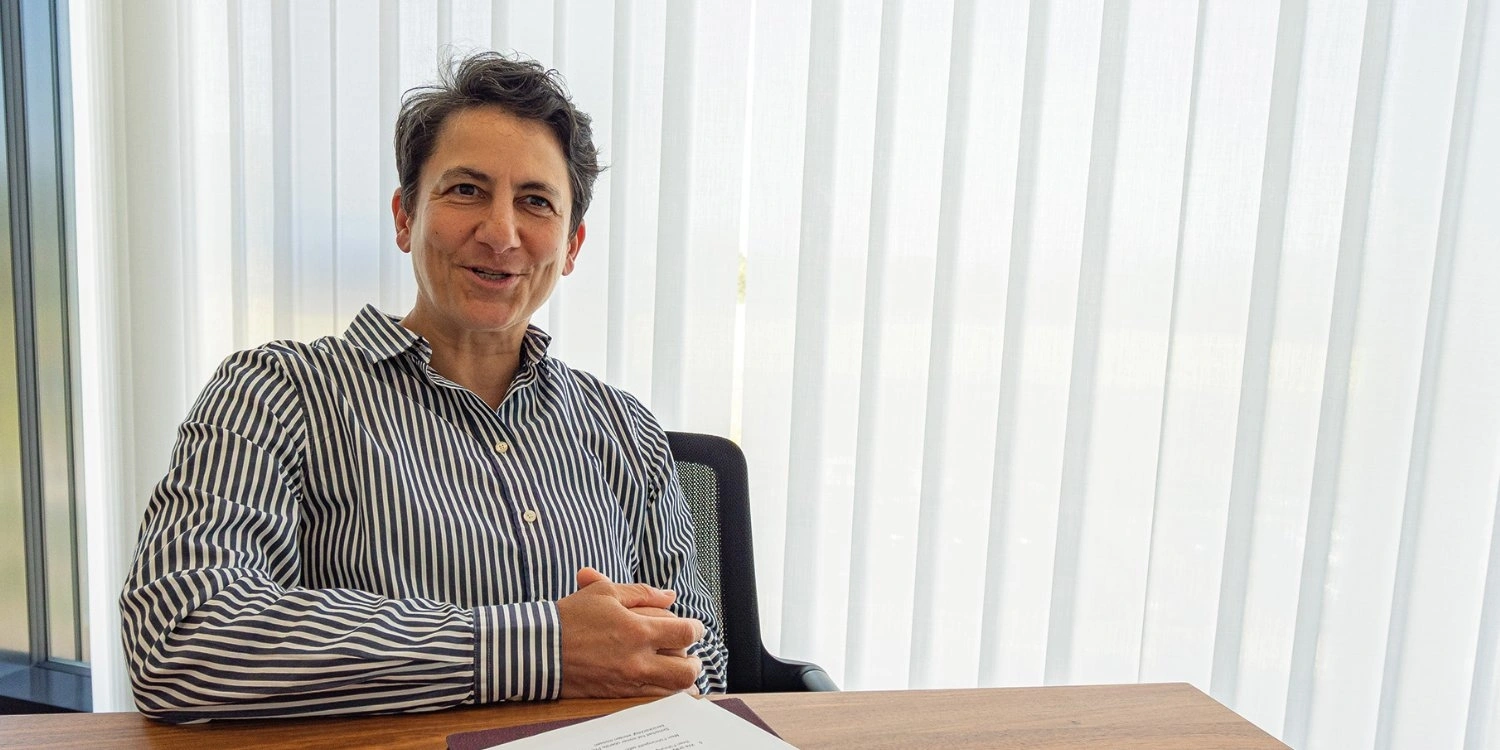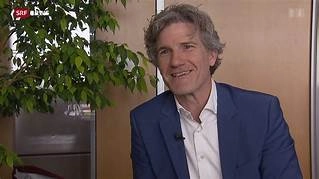
On November 28, the fourth day of the CAS course “Nuclear Energy Work Environment” took place. During the session, the students once again delved deeply into reactor technology and the associated regulatory framework—with fascinating insights from Annalisa Manera (ETH Zurich/PSI) and Kai Fischer (Leibstadt Nuclear Power Plant).
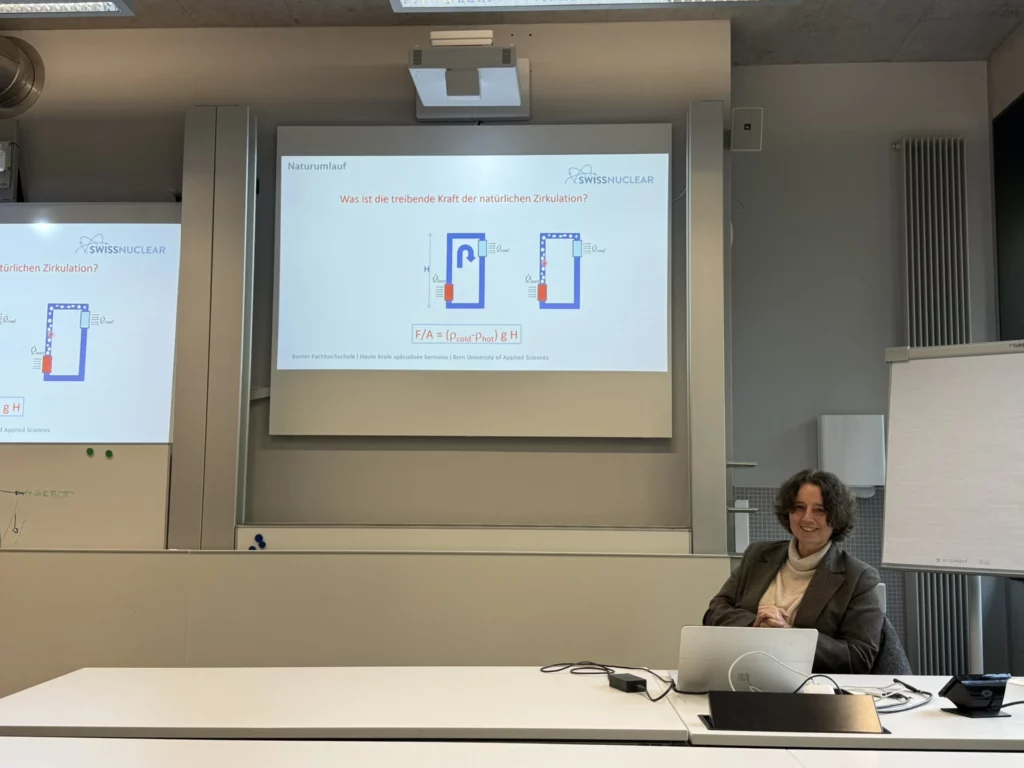
In the morning, Annalisa Manera provided an overview of the global use of nuclear energy, the latest developments in reactor design, retrofits in Switzerland, and potential future prospects for the industry.
🔎 Nuclear Energy on the Rise: Global Trends and Technological Advances:
– Nuclear energy is experiencing a renaissance worldwide: It is used in 32 countries; 13 others intend to adopt it, and 17 are still considering it. Only four countries are pursuing a phase-out: Belgium, Germany, Spain, and Switzerland—although Belgium has lifted its ban on new reactors and Spain is exploring steps toward a possible return to nuclear power. These developments show that nuclear energy is increasingly perceived internationally as a safe and efficient energy source.
– Greater safety: The newer reactor designs (Gen III/III+) offer enhanced safety and rely on systems that function even without electricity: natural circulation instead of pumps, passive containment cooling.
– Gen IV reactors: Thanks to higher operating temperatures in Gen IV reactors, fuel can be utilized much more efficiently—resulting in less radioactive waste.
– Small Modular Reactors (SMR) and microreactors: modular, factory-built, with shorter construction times and applications ranging from district heating to island grids and even space missions.
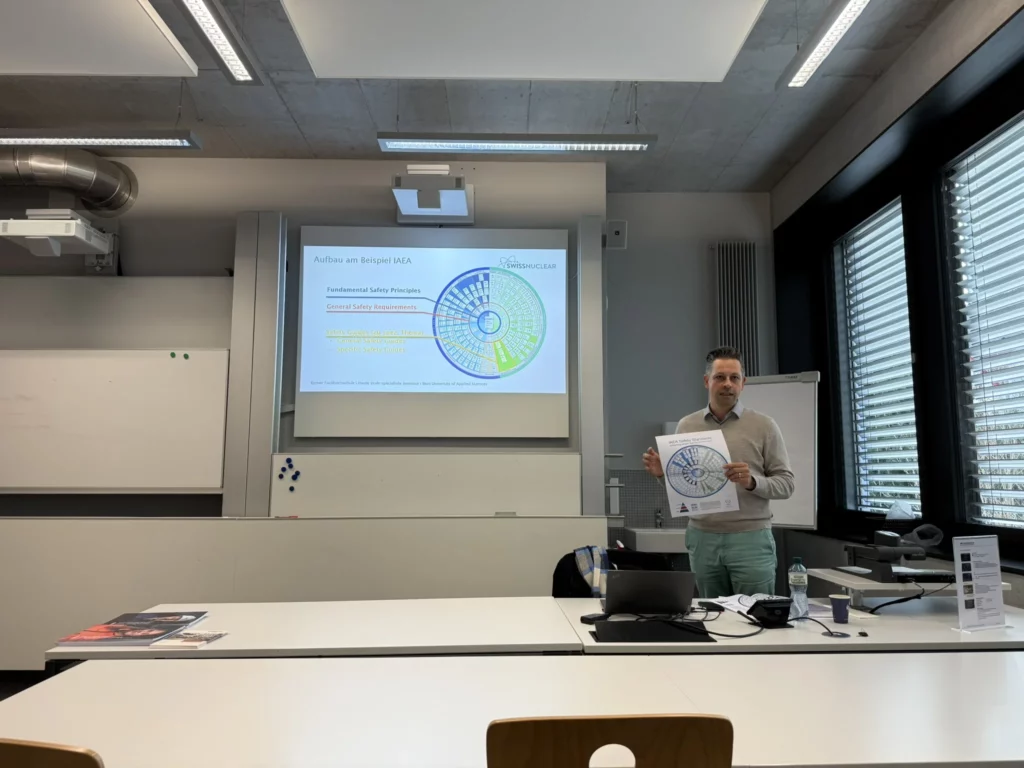
In the afternoon, Kai Fischer provided an overview of the legal framework and the associated safety culture.
💡 Four safety objectives, one system: Safety at nuclear power plants:
– Clear legal framework: The operation of a nuclear power plant in Switzerland is based on the Nuclear Energy Act (KEG), the Nuclear Energy Ordinance (KEV), radiation protection legislation, and ENSI guidelines. These specify the international IAEA principles for the Swiss context.
– Four safety objectives as a guiding principle: control of reactivity, cooling of nuclear materials and waste, containment of radioactive substances, and limitation of radiation exposure, implemented through a layered safety approach and the barrier concept.
– Safety classification and accident categories: GAP analyses, assessment of non-compliance risks, action planning, and annual reports create transparency and ensure that laws, ordinances, and ENSI guidelines are effectively implemented at the plant.
Conclusion:
🤖Technological progress and a consistently applied set of rules are inextricably linked, with the ultimate goal of safe and reliable operation.⚡
🔎 More information about the CAS:
CAS Working Environment Nuclear Energy