On January 29, 2026, the third and final session of the elective module “Change Management” took place as part of the CAS program “Work Environment in the Nuclear Energy Sector.”
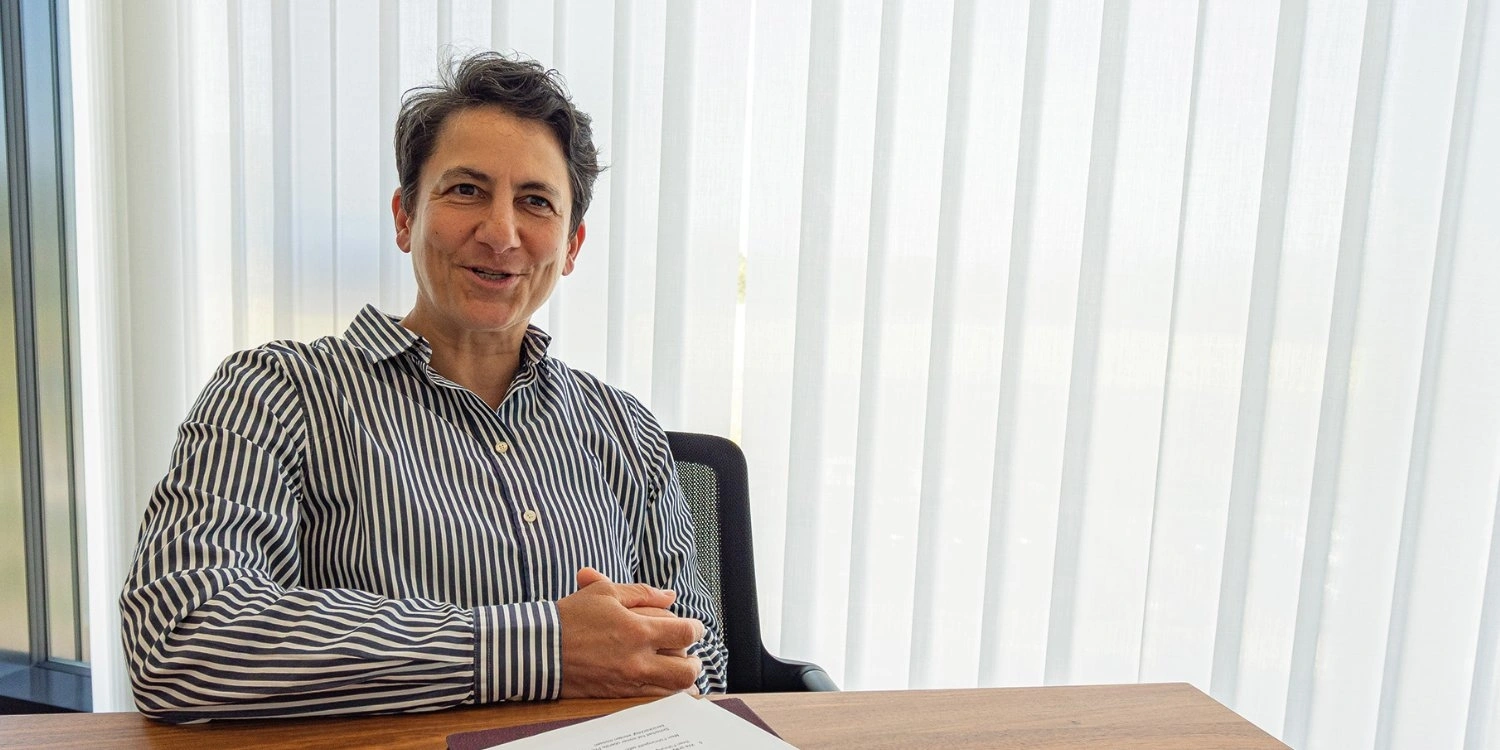
🔎 In the morning, psychologist Mirjam Ambühl impressively demonstrated why resistance and conflicts are among the greatest challenges in change processes—and why they must be understood not as disruptive factors, but as normal and valuable components of change.
Change often encounters resistance. ⚡This resistance can be active or passive, open or covert. In change management, this is referred to as the “Seven Barriers to Change,” ranging from mistrust and loss of status to the question of self-efficacy: “What does this change mean for me, specifically?”
🪴Successful change therefore requires more than just good concepts. It requires:
· clear and honest communication,
· employee involvement wherever possible,
· space for critical voices and mistakes,
· team orientation and cooperation,
· and, above all, leadership that leads by example.
👉 The focus on behavioral change was particularly fascinating: New habits aren’t formed through instructions, but through the right conditions, role models, and a culture that fosters learning. Emotions are always at play here—they’re contagious, amplify within the team, and significantly influence the success of a change initiative.
🔎 In the afternoon, BFH lecturer Andreas Liedtke presented practical methods for tackling change projects—such as the “headstand method” or peer case consultation. Both concepts demonstrate that good solutions often emerge when perspectives are shifted and experiences are shared.
📌 Conclusion: Change management, particularly in “High Reliability Organizations” (HROs) such as nuclear power plants, is not a one-time project but a continuous, iterative process. It is crucial that the goal and benefits are clearly defined from the outset and are understood and felt by those affected. Empathy is not a “soft skill” here, but a core leadership and management competency. 🤝🪴
🔎 Further information about CAS:
CAS Working Environment Nuclear Energy | BFH