📍On January 15, 2026, the first part of the elective module Change Management took place as part of the CAS "Working Environment Nuclear Energy" – this time at the Bern University of Applied Sciences in Biel.
🔄 Change management means supporting people:
Change is no longer the exception, but the rule. Organizations must constantly adapt in order to remain capable of acting. But change takes time and energy – and a dose of courage. Change is often perceived as uncomfortable and therefore frequently meets with resistance. ⚠️
👥 Organizations are made up of people:
That's why change management cannot be thought of as purely process-oriented, but must be approached systemically. It's about getting everyone on board – with their different needs, experiences, hopes, and fears. Change can only succeed if people are engaged not only rationally but also emotionally and are involved from the outset.
It is not a matter of convincing others at any cost, but of understanding them🤝:
– Where do people stand in the organization?
– What motivates them?
– What are their fears, hopes, and experiences?
Those who ask these questions seriously will be better able to understand resistance – and deal with it constructively.
💡Another key factor: meaning
Change must make sense. Only those who understand why change is necessary are willing to support it. And: people want to be involved. They are more motivated when they can exert influence, feel appreciated, and feel taken seriously.
🧠 Models help – but they don't replace attitude
Whether ADKAR, SCARF, PERMA-Lead, or the phase models of Lewin, Kotter, or Kübler-Ross: they all show that successful change happens when the structural and psychological levels work together. The emotional level is often the more challenging one – but also the more decisive one.
🚀 What makes change successful:
– Clear, continuous, and consistent communication
– Active involvement of those affected (top-down and bottom-up)
– Building change agents and allies
– Creating time, space, and resources for learning
– Mentoring, coaching, and sparring
– An empathetic approach to resistance
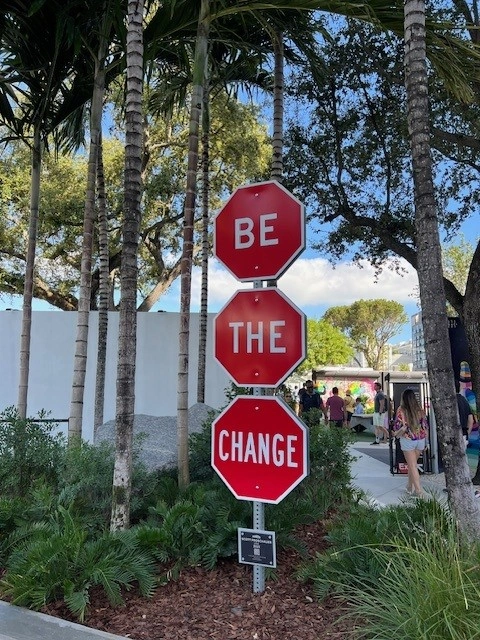
👉 Change is a matter of perspective.
Realizing that change is necessary is not enough – you need to be willing to really dare to make it and implement it consistently.
🔎 Further information about CAS:
CAS Working Environment Nuclear Energy | BFH